FASHION MARKETING SERVICES FOR BRANDS & RETAILERS
Fashion Marketing Agency Where Brand Vision Meets Business
From emerging labels to established brands, retailers, and manufacturers, our fashion digital marketing agency connects strategy, SEO, creative, paid media, and e-commerce around your goals.
Discuss Your Growth PrioritiesStart with your business challenge. We'll discuss the right approach.
Experience with emerging and established fashion businesses.


A real fashion-business perspective
What does a fashion marketing agency do? It helps fashion businesses identify the customers or trade buyers they need to reach, clarify their positioning, and connect relevant channels to commercial decisions. BluCactus brings fashion strategy, search visibility, content, branding, advertising, e-commerce and measurement together where they serve a defined business objective.
Fashion client perspective
From the showroom: John Tillman of Tillman Style
Fashion businesses are built around decisions that a generic marketing checklist can miss: who buys, why the collection matters, and what the brand must communicate before a visitor becomes a customer. That context belongs at the beginning of the conversation.
In his recorded testimonial, John Tillman discusses his experience working with BluCactus on branding, website design and social media. His menswear perspective brings the work back to something real: a distinctive business, its presentation and the people behind it.
Business outcomes before marketing channels
Five commercial opportunities worth solving
Fashion marketing is more useful when it starts with the pressure points behind a collection or business model. These five priorities help separate necessary work from additional activity.

Start with the business, not a channel
Turn fashion vision into a clear commercial brief
Every collection begins with choices about product, customer and identity. Marketing only becomes useful when those choices are translated into a proposition buyers can understand and act on.
That means defining the audience, positioning, buying journey and immediate constraints before committing to a particular channel. The five opportunities below show where this work can create the most useful momentum.
A recent BCG and Women’s Wear Daily study of U.S. fashion shoppers highlights how quality, fit, value and cultural relevance shape purchasing decisions. The goal is to understand those motivations before choosing the content or channel.

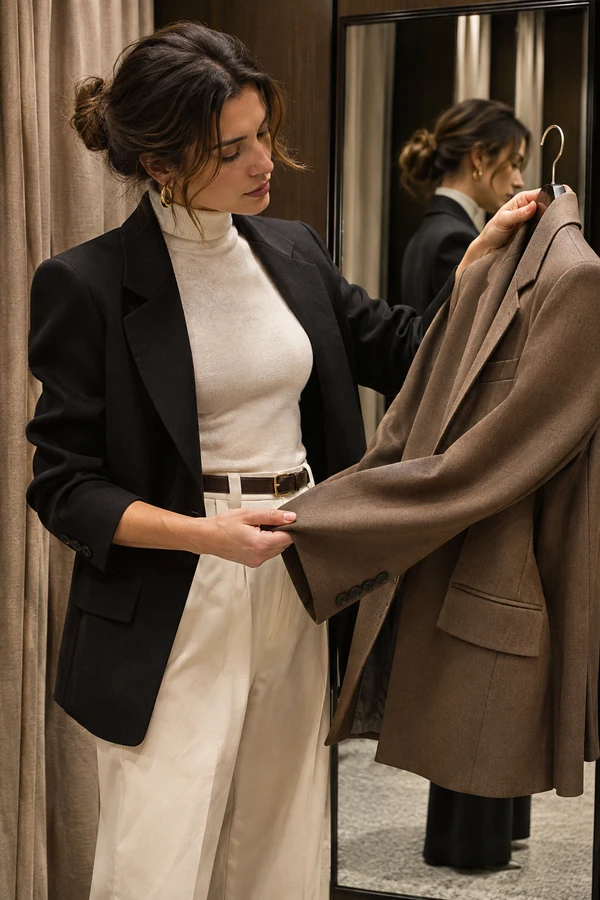
01 · Better-fit demand
Attract buyers who value what you sell
Awareness is not the same as demand. A premium label, a value-led retailer and a textile supplier can all attract attention while reaching entirely different people who are ready to buy.
Fashion audience research, positioning and search-intent analysis help reveal what your buyers are actually looking for, where they compare options and what makes a brand credible to them.
02 · Conversion
Make it easier for interest to become a purchase
A campaign can create interest, but a confusing collection page or a weak product explanation can lose the sale. Fit information, images, navigation, product hierarchy and a convincing path to checkout all influence confidence.
We examine the journey from discovery to decision so fashion e-commerce, creative content and acquisition activity work toward the same next step.

03 · Retention
Build relationships beyond the first order
A first order matters. So does what happens afterward: the welcome experience, follow-up communication, product education, replenishment opportunities and reasons to return.
Where suitable, lifecycle email and retention planning turn existing customer relationships into an owned communication asset—not a dependence on constant discounting.
04 · Brand coherence
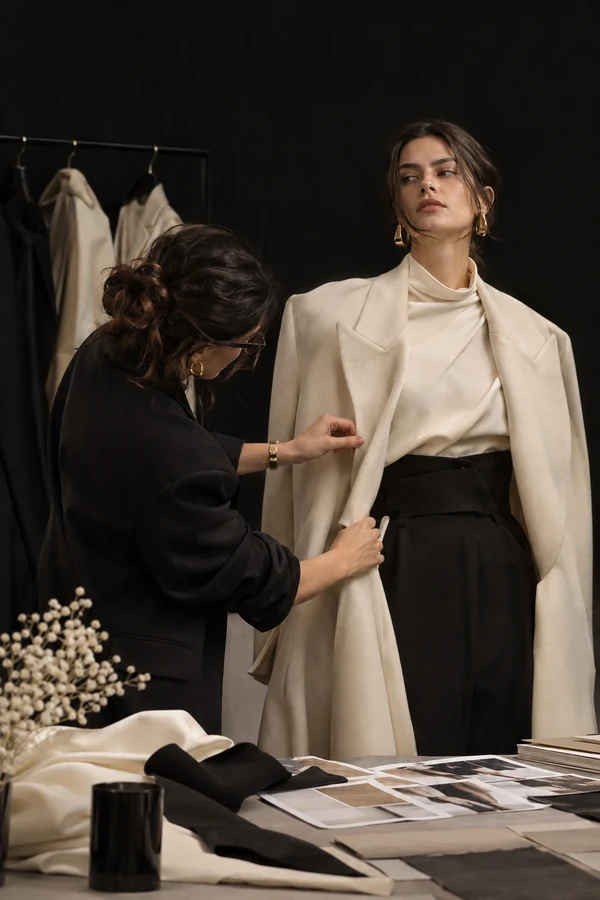
Grow without diluting what makes the brand recognizable
When content, advertisements, web design and partnerships are created separately, the brand can begin to sound and look different in every channel.
Consistent positioning and creative direction give campaigns room to evolve while protecting the identity people came to recognize. Luxury, contemporary and emerging brands need different expressions—not a shared visual formula.

05 · Prioritization
Invest with a clearer understanding of what matters
A larger campaign is not automatically a better investment. Sometimes the useful move is a product-page rebuild; elsewhere it is improved search visibility, better acquisition creative or a more qualified wholesale inquiry path.
The State of Fashion 2026 report from McKinsey and The Business of Fashion explores the pressures shaping commercial decisions across the industry. We bring that same need for context into the scope of each engagement.
Different fashion businesses need different strategies
Built around the way your fashion business operates
A brand selling directly to consumers does not face the same sales cycle as a showroom, sourcing business or manufacturer. The right approach starts with the commercial role, product, target buyer and available proof.
Brand founders and teams
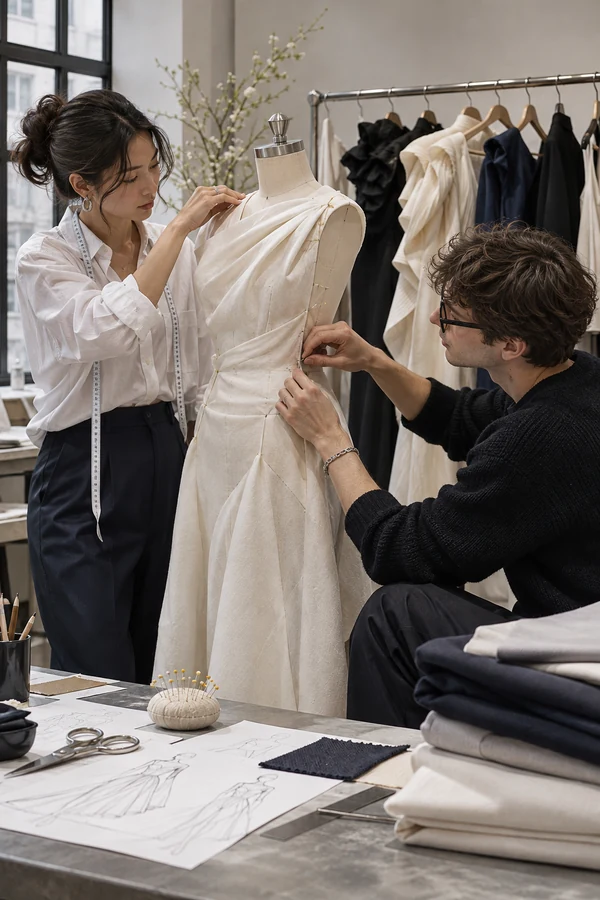
Emerging labels and growing fashion brands
A new label may need to turn a creative vision into a clear customer proposition before investing heavily in media. An established emerging brand may be ready to improve its collection architecture, search presence or repeat purchase journey.
We help distinguish foundational brand work from the channels worth activating now.

Positioning and brand stewardship
Established, premium and luxury-positioned brands
Mature brands need continuity as much as change. New category launches, shifting customer behavior and channel expansion can create tension between commercial demands and established brand codes.
Strategy, editorial direction, digital experience and measurement should reinforce the actual brand position rather than imitate generic “luxury” signals.

Retail and merchandising
Fashion retailers, boutiques and multibrand stores
Retail marketing connects assortment, seasonality, product discovery and repeat visits. The challenge may be regional visibility, category navigation, customer communications or communicating why a particular edit of brands deserves attention.
We prioritize useful retail decisions rather than assuming every boutique needs the same paid media or social strategy.

B2B and wholesale
Wholesalers and trade-facing fashion businesses
Wholesale buyers need different evidence from consumers: collections, available categories, order processes, pricing or commercial fit, and straightforward ways to make an inquiry.
The Vogue Business Spring/Summer 2027 buyer report illustrates how professional buyers weigh design, assortment relevance and commercial potential. Marketing should help the right buyers understand the offer before the first conversation.

Manufacturing and sourcing
Apparel manufacturers, mills and textile suppliers
Manufacturers and suppliers require accurate capability communication. Materials, production processes, market fit, technical specifications and qualified inquiry paths often matter more than consumer-style campaign visuals.
We can structure websites, content and lead journeys around verified capabilities. Production certifications, volumes, manufacturing claims and buyer relationships remain the business’s responsibility to substantiate.
Fashion categories in focus
From everyday collections to statement fashion
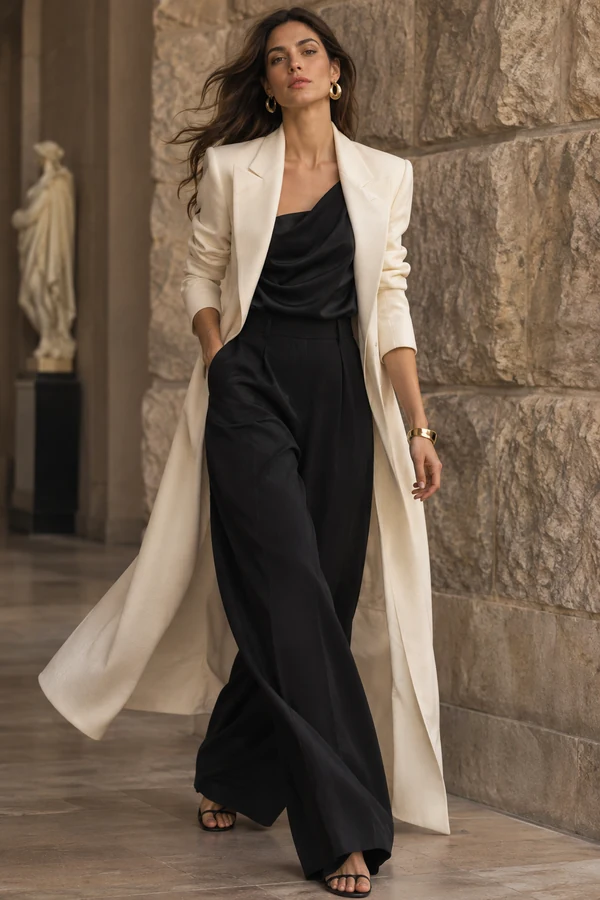
The fashion market is broad. Explore the product and business contexts behind our approach, from ready-to-wear and denim to accessories, activewear and trade-facing supply. The imagery is illustrative rather than a claim that BluCactus created each collection.
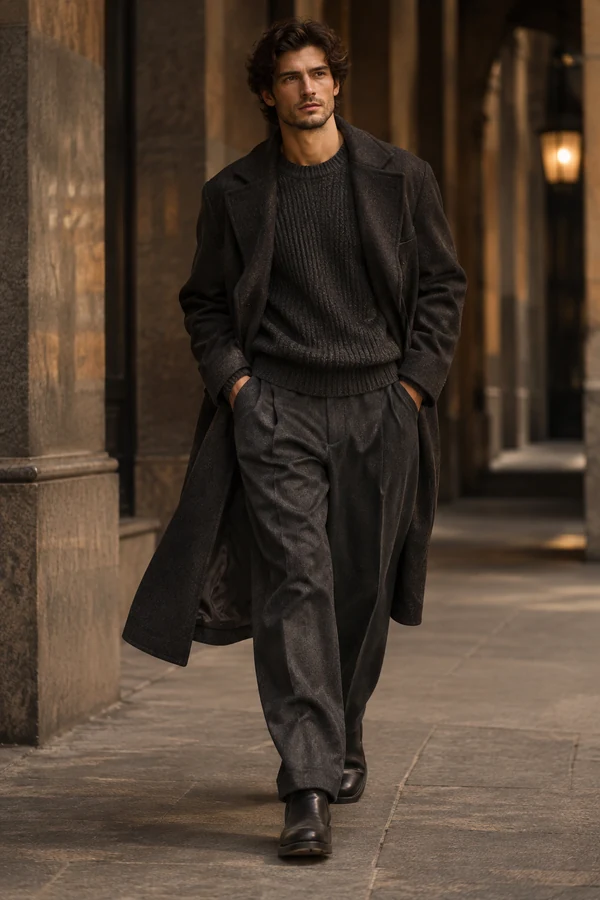
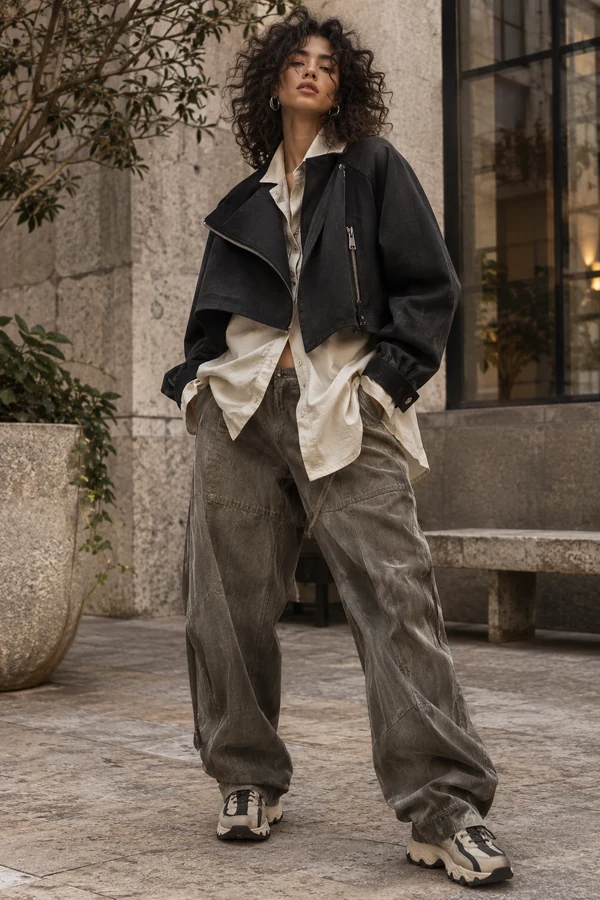

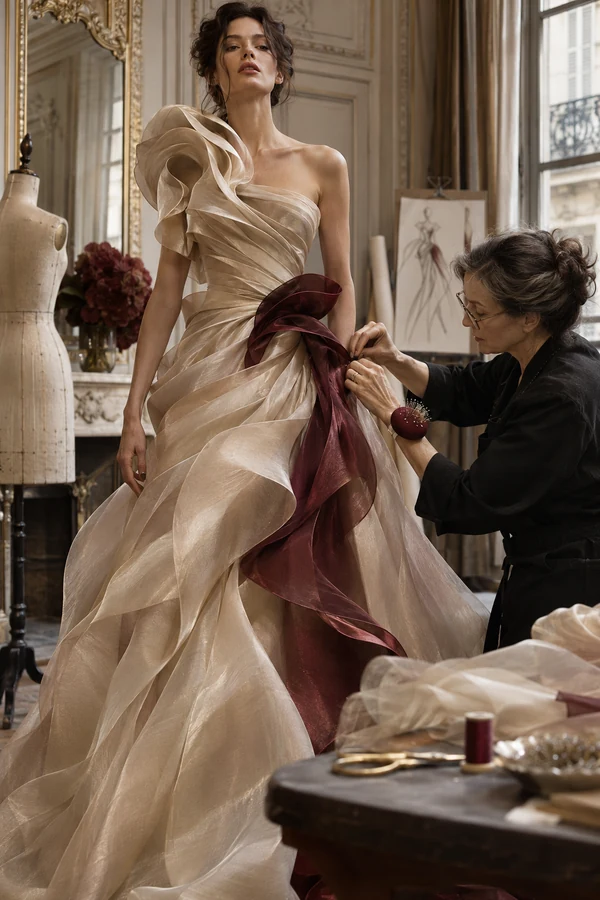
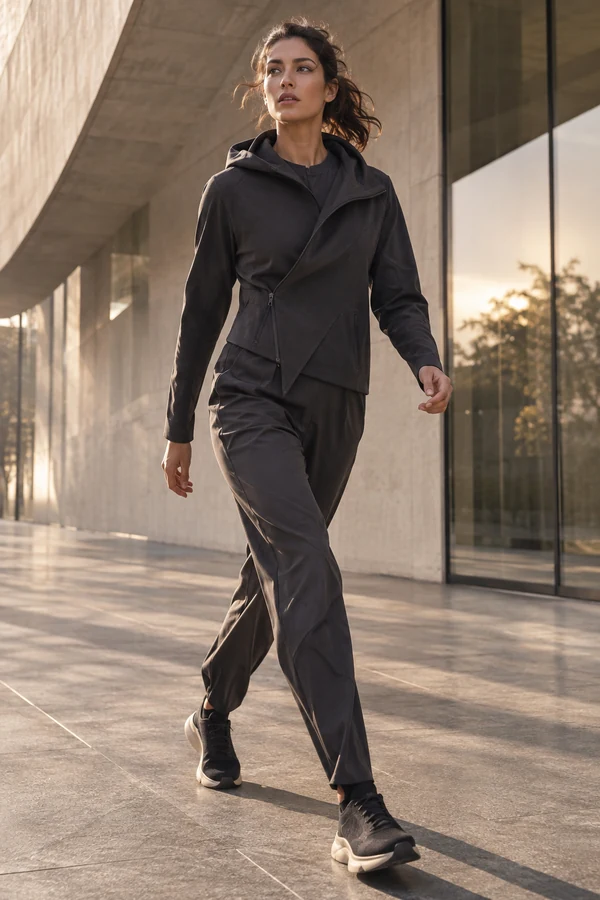
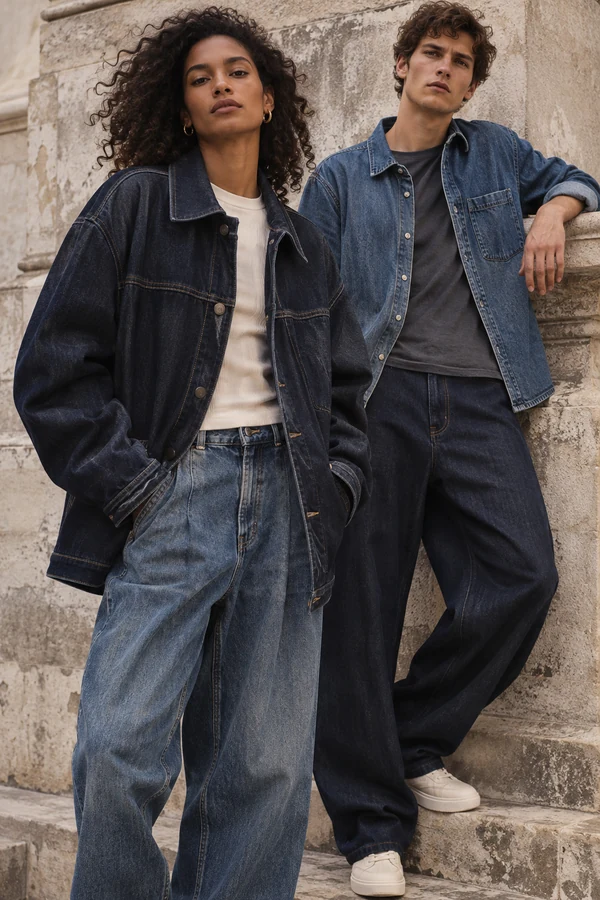
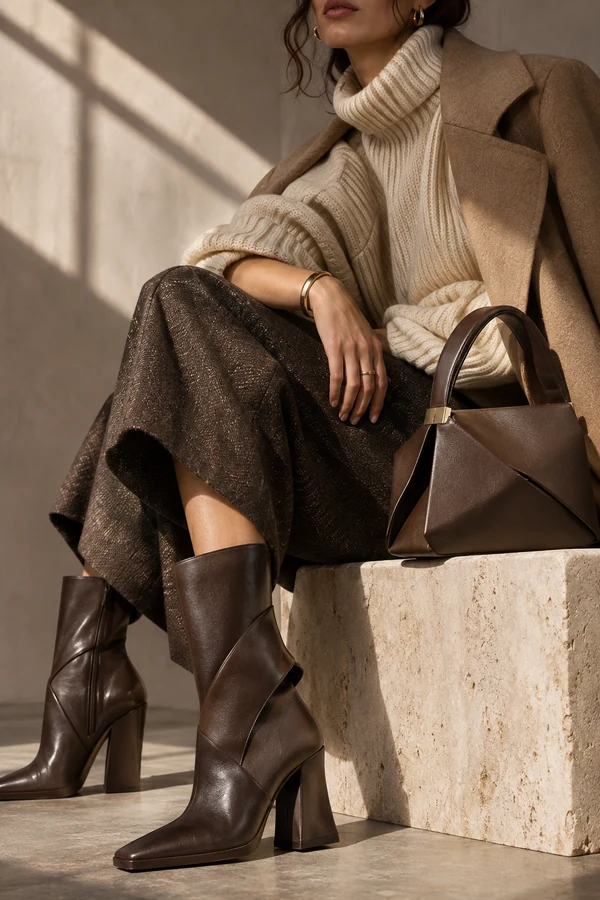
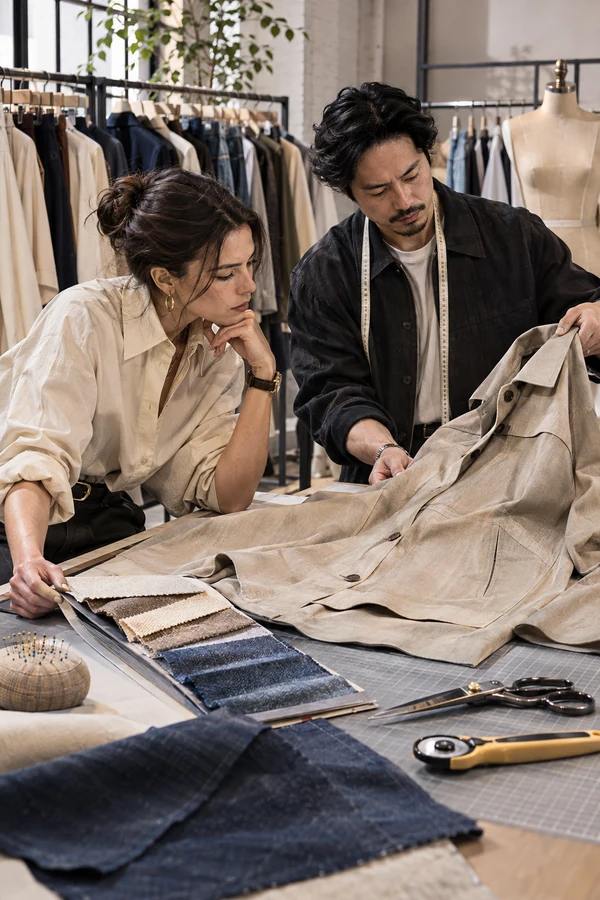
Scroll or swipe horizontally to see all nine categories. Arrow buttons are enhanced by the hero component; the gallery remains swipe- and keyboard-scrollable without scripts.
Diagnose the actual bottleneck
Where is momentum getting lost?
More content, more impressions or more advertising spend are not always the answer. The productive question is what is preventing the next commercial decision.
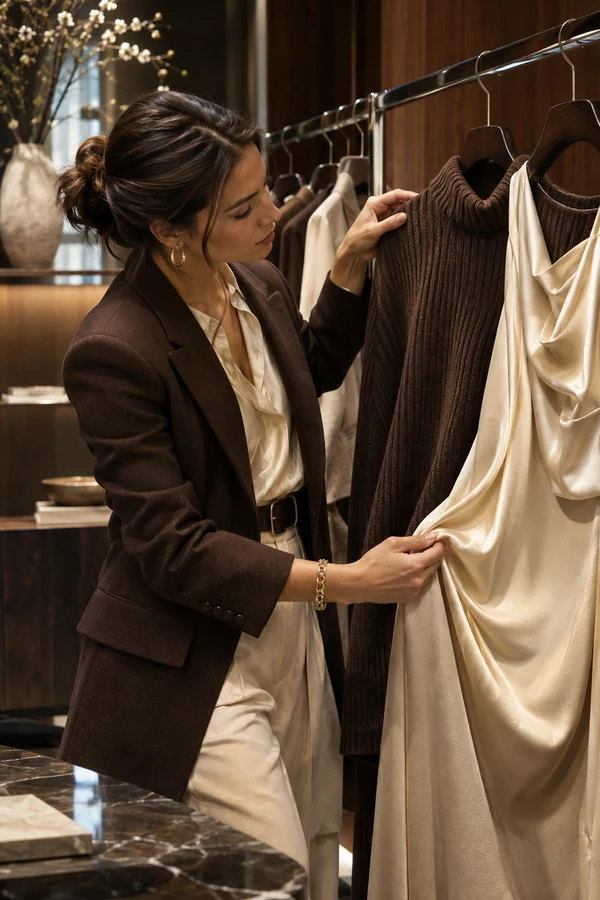
A useful diagnosis before another campaign
An apparel buyer considering two fabrics needs different information than a customer looking for a particular fit or a retailer comparing wholesale collections. Those differences should influence channels, creative, landing pages and the signals we measure.
This is why the first discussion begins with the business model, current customer or buyer behavior, existing assets and any useful data—not a predetermined service bundle.
| What you notice | What we would examine | Potential route |
|---|---|---|
| Low qualified discovery | Search intent, category relevance, positioning, audience fit | SEO, content, product architecture |
| Interest without orders | Product confidence, offers, landing experience, checkout friction | E-commerce UX, creative, conversion review |
| One-time customers | Post-purchase communication, lifecycle segmentation, relevance | Email marketing and retention |
| Weak trade inquiries | Buyer proof, capability presentation, RFQ and follow-up path | B2B content and sales enablement |
| Disconnected channels | Metrics, ownership, messaging, review cadence | Strategy, tracking and coordinated delivery |
The engagement should fit the real need
Focused specialist support or a coordinated approach?
Neither model is inherently better. The right choice depends on the evidence, current team, delivery capacity and commercial challenge.

Start where intervention will make a difference
If the bottleneck is an underperforming search architecture, a focused Fashion SEO Agency engagement may be appropriate. If positioning and identity are unclear, a more precise Fashion Branding Agency assignment can come first.
For a narrow identity requirement, Fashion Logo Design may be enough without forcing a full rebrand. When acquisition, website experience and retention are dependent on each other, coordinating them can prevent expensive handoff gaps.
Focused specialist scope
A defined problem and a clear service owner: search, branding, paid acquisition, e-commerce, lifecycle or creative.
Best when the main constraint is already well identified.
Coordinated fashion marketing
Several connected workstreams with shared priorities, measurement and review points.
Best when one channel cannot solve the underlying commercial issue.
From discovery to delivery
How a fashion marketing engagement takes shape
The sequence adapts to the project. It exists to protect sound decisions, not to add a workshop or deliverable that a particular business does not need.
01
Understand the fashion business
Review category, positioning, product range, buyer, channels, operational constraints and existing evidence.
02
Identify the commercial friction
Locate where discovery, trust, conversion, retention or trade-buyer progression is being lost.
03
Prioritize scope and dependencies
Decide which specialist capabilities belong in the engagement, their sequence and who owns decisions.
04
Produce, test and refine
Develop agreed content, creative, technology or campaigns, review meaningful signals and adjust with stakeholders.
05
Measure what the business needs
Evaluate appropriate discovery, qualified inquiries, customer behavior or operational outcomes using available reliable data.
Another perspective from fashion
Fashion client perspective
Gemella Moda: the brand story matters
In her recorded testimonial, Melanie Velasquez discusses the experience of working with BluCactus and the importance of brand identity, strategic content and online visibility for her fashion business.
Her perspective complements the menswear testimonial above. It is a reminder that a fashion marketing engagement must work for the identity and business goals of the brand involved, not follow one fixed formula for every client.
Why BluCactus
Fashion understanding, creative judgment and commercial discipline
A fashion-first website needs more than attractive photographs. Marketing also needs to connect visual identity with what the business wants people to understand, choose and do.

Work that connects the creative and commercial sides
BluCactus combines strategy, search, content, design, paid acquisition, web and lifecycle capabilities, then selects the ones that fit the engagement. This allows a campaign to move from its brand message to the landing experience and follow-up without treating each discipline as a separate island.
The two client testimonials on this page provide direct, permissioned perspectives. We do not present editorial illustrations as completed client campaigns, and we do not promise rankings, sales volume or a fixed return on advertising spend.
Our work can support emerging labels, established brands, retailers, wholesalers and fashion-related suppliers; the scope is determined by the buyer and the actual commercial issue.
Capabilities selected around the brief
Fashion marketing services that support the next decision
Depending on your objectives, the work may involve a single specialist discipline or several connected parts. The important point is what each service contributes—not the length of the service list.
Strategy & intelligence
Audience, competitive landscape, positioning, launch direction, channel roles and priority decisions.
Fashion SEO & content
Search intent, collection and product discoverability, editorial content and site structure.
Branding & creative direction
Messaging, visual identity systems, campaign concepts, art direction and usable brand assets.
Paid media & acquisition
Relevant Google, Meta and other channel activity aligned with creative, landing experiences and economics.
Email & customer lifecycle
Owned-channel communications, segmentation, welcome and post-purchase flows where the platform and data support them.
Social, creators & community
Relevant publishing, creator collaboration or structured ambassador programs when aligned with audience and scope.

Commerce and conversion
Fashion e-commerce and digital experience
E-commerce work brings together a product range, user experience, platform structure, campaign landing pages and retention. Shopify and WooCommerce engagements can address the experience that connects a marketing click with a clear buying decision.
The scope may include collection navigation, conversion content, product presentation, analytics or lifecycle integrations. The objective is not an abstract “beautiful website” but a journey suited to the merchandise and customer.

Trade and specialist buyers
Fashion B2B and wholesale sales enablement
A wholesaler or supplier often needs credible trade-facing information before a prospect is ready to inquire. Lookbooks, line sheets, trade product pages, inquiry forms and follow-up systems help explain what the business can actually deliver.
This may include qualified lead pathways and CRM coordination, but it does not automatically include outsourced buyer representation, negotiated sales or manufacturing operations.
Accountable to the right measures
Measure progress against the business problem
A high impression count can be useful for discovery; it does not tell a fashion retailer whether product pages convert or a manufacturer whether inquiries are commercially qualified. A reporting framework should reflect the work and the information genuinely available.
Discovery
Qualified search visibility, relevant page engagement, category and product discovery.
Commercial behavior
Conversion paths, cart actions, customer acquisition trends and available sales signals.
Retention
Email engagement, repeat-customer patterns and lifecycle behavior where tracking is reliable.
B2B intent
Relevant trade inquiries, fit of submissions, routing and follow-up status.
Results depend on positioning, product-market fit, operational capacity, budget, competition, technology, campaign execution and other factors. We discuss realistic milestones and dependencies in the scope of the project; we do not guarantee search rankings, leads, orders or advertising returns.
U.S. national service and local market context
Fashion marketing across the United States
BluCactus supports fashion-business strategy and digital execution for U.S. audiences, with local context shaping relevant language, customers and channels. A city page helps visitors explore that market-specific service intent; it does not imply a physical BluCactus office at every location.
Questions that matter before choosing an agency
Fashion marketing questions, answered clearly
What does a fashion marketing agency do?
A fashion marketing agency helps a fashion business understand its buyers, sharpen its positioning and choose the channels and content that support commercial goals. Depending on the scope, that may include search, branding, digital advertising, creative content, e-commerce, customer lifecycle and measurement.
Can BluCactus help if we only need one service?
Yes. A focused assignment may be the most sensible option when the challenge is already clear. An integrated approach is proposed only when several activities genuinely depend on each other.
Do you work with retailers, wholesalers and manufacturers, not just clothing labels?
BluCactus can support consumer brands, fashion retailers, trade-facing suppliers and manufacturers through appropriate strategy, content, website and marketing work. Product and manufacturing claims must come from the business’s actual evidence.
Can you help with a fashion brand launch?
Yes, depending on the agreed scope. The work might start with market and audience research, positioning and content priorities before selecting acquisition channels, a website or a launch sequence.
Do you guarantee first-page rankings or a specific return on ad spend?
No. Search results, sales and advertising performance depend on competition, demand, product fit, budget, the customer experience and other factors. We can define the work, measurement approach and review points without inventing guaranteed results.
Will paid advertising compromise a premium fashion brand?
It should not be treated as a trade-off. Creative direction, message consistency, audience selection and landing-page experience can be planned together. Any paid-media scope should reflect both customer-acquisition economics and the brand’s positioning.
Can BluCactus generate and close wholesale orders for us?
A relevant B2B scope can support buyer discovery, qualified inquiry journeys, content, lead routing and sales enablement. Direct sales representation, contract negotiation or outsourced closing is a separate service and is not automatically included.
How do you decide what to do first?
We begin with the business model, category, target customer or trade buyer, current channels, available performance evidence and the outcome that matters most. The recommended sequence follows that diagnosis rather than a fixed channel package.
Do we need to change our e-commerce platform?
Not necessarily. The first step is to review whether the current experience and technology can support the required improvements. Platform replacement is considered only when existing constraints justify it.
What should we prepare for the first conversation?
A short description of the brand or business, its product or category, primary market, website, current marketing activity and the commercial challenge is enough to begin. Any available search, analytics, sales or customer data can help, but a complete audit is not required before reaching out.
Start with a business conversation

Let’s define the next chapter of your fashion business
Whether the priority is reaching more relevant buyers, making your e-commerce experience more effective, building customer relationships or presenting wholesale capabilities more clearly, the first conversation should be about the business challenge—not a long list of services.
Tell us what you are working toward, where the journey is getting stuck and what resources are already in place. We can discuss the specialist or coordinated approach that makes sense for the project.
Discuss Your Growth Priorities
Start with your business challenge. We’ll discuss the right approach.